Trades and field service
Less time in the ute doing paperwork.
You're good at the work. The admin around it is what eats the week: quotes that sit unsent, bookings on sticky notes, crews ringing the office for the address. We build intelligent systems that take the paperwork off your plate, so the job moves from enquiry to invoice without anyone chasing it. A person still approves what goes out.
Book a discovery call (opens in a new tab)Fixed price, quoted upfront · You own it · No lock-in
Illustration: Job management, Quotes and invoices, Phones and SMS, Xero, Job notes and photos, Things only Sam knows flow into one hub. You ask it questions in WhatsApp or Slack. Example question: Has the Sample Co hot water job been invoiced? Example answer: Not yet. The job is marked done. An invoice is drafted for you to approve. Example data, fictional names.
Who it's for
Where does the week actually go?
The job is the point. The drag is the admin around it: quotes that sit unsent, missed calls, bookings on sticky notes, the crew ringing the office for the address, and invoices that wait until someone has a spare hour.
- Typed once. Notes, photos and job details should be entered once, not retyped into the quote, the job screen and the accounts.
- Missed calls and quiet quotes. Enquiries arrive after hours and from more than one place. Follow-ups on quotes with no reply can be drafted for you.
- Scheduling and dispatch. When a job is booked, the crew should already have the address, access notes and what's needed, on a simple screen.
- Chasing payment. When the crew marks a job complete, the invoice can be drafted in your accounts, ready to check. Overdue reminders too.
How we work with you
- Quotes sent while the customer's still keen.Call notes and site photos turn into a quote draft. You check the price and send it. Follow-ups on quotes with no reply can be drafted for you.
- Bookings that don't fall through the cracks.Enquiries from calls, the website and email land in one list. Accepted quotes become booked jobs, with the details already filled in.
- Clean handoffs to the crew.When a job is booked, the crew sees the day's work on their phone: address, access notes, what's needed. Simple screens with only the buttons they use.
- Invoices ready when the job's done.When the crew marks a job complete, the invoice is drafted in your accounts, ready to check. Overdue reminders are drafted too. Nothing goes out until a person approves it.
Your tools stay
It works alongside the job software and accounts you already use. Many businesses like these already run tools such as ServiceM8, simPRO, Tradify or Xero. We work around what you have. No rip and replace.
What Strategy, Build and Training look like for a trades business.
You can buy each service on its own. Most businesses start with a conversation, then Strategy. A Build, if you want one, is scoped from that plan. Training can come first, later, or on its own.
- Strategy. We sit with you and map how enquiries, quotes, bookings, the day's jobs and invoices actually move — including what's still in the phone, the whiteboard, or someone's head. You keep a Blueprint for how to fix it, and a fixed-price quote if you want us to build it. You can also take the Blueprint and implement it yourselves.
- Build. A custom system alongside the job software and accounts you already use. In a trades business this often means an intelligence layer you can ask about a job, and automations that draft the next step: a quote from call notes and photos, a booking that already has the details, a clean handoff to the crew's phone, and an invoice draft when the job is marked done. A person still approves what goes out.
- Training. Fixed-scope, in-person workshops for the office and, where it helps, the crew. These can cover the tools you already use, or the system we built, so people know how to approve a draft, find a job, and what the system will never decide for them — including price, safety and certificates.
Fixed price, quoted upfront. Your tools stay.
Plumbing
Call-outs, planned work and the office backlog often land on the same day. The admin is quotes, access notes, and getting the invoice out once the job is done.

Where does the week go?
- After-hours calls and "can you come today?" messages landing in more than one place.
- Quotes written after the run, when the details are already going cold.
- The crew ringing for the address, the meter or the access code.
- Invoices waiting until someone is back at the desk.
How Strategy, Build and Training fit a plumbing business
- Strategy. We map how after-hours calls, quotes, the day's jobs and invoices move, and where the hours go.
- Build. Often: enquiries and call notes in one list; a quote draft from the notes and photos, for you to price; a booked job that sends the address, access notes and what's needed to the crew's phone; an invoice draft when the job is marked complete, plus overdue reminders waiting for a person.
- Training. In-person workshops for the office and the crew on using the system day to day — or, if you haven't built with us, on getting more from the tools you already have.
Before and after
Illustrative example, not a client result
A missed call after hours, a quote written the next night, the apprentice ringing for the street number, and the invoice still on the desk on Friday.
The enquiry is in the list, a quote draft is waiting for you to check, the job on the phone already has the notes, and the invoice is drafted when the work is marked done.
Electrical
The work is skilled and often safety-critical. The admin should never invent a price, a certificate or a "yes". Its job is to get the quote, the booking and the invoice in order for you to sign off.

Where does the week go?
- Quote requests for switchboards, data or fit-outs sitting in the inbox.
- Site notes not making it into the quote.
- Certificates and job paperwork chased after the job.
- The office unsure which jobs are booked, quoted or waiting on parts.
How Strategy, Build and Training fit an electrical business
- Strategy. We map how quote requests, site notes, bookings, paperwork and invoices move, without ever treating the system as the person who signs off the work.
- Build. Often: quote drafts from notes and photos (you set the price); bookings and parts notes on the day's job list; an invoice draft, plus a reminder to finish the paperwork you already have to complete. The system never issues a certificate and never gives technical advice.
- Training. In-person workshops that make those limits obvious to the team, as well as how to use the drafts and the job list.
Before and after
Illustrative example, not a client result
A switchboard quote is still in a notebook. The job is booked by text. The certificate is remembered when the customer asks.
The quote draft is waiting for you. The booking already has the site notes. A reminder to finish the certificate sits on the job, for a person.
What we keep in view: Safety, licensing and certificates stay with the licensed electrician. The system does not give technical advice, set a price or issue a certificate.
HVAC and air conditioning
Installs, servicing and breakdowns each run on a different clock. The admin is getting the right job, the right parts and the right follow-up onto the same record.

Where does the week go?
- Breakdown calls mixed in with install quotes.
- Service visits that should have been booked months out.
- Parts notes sitting with one tech.
- Invoices delayed until the install is "properly finished".
How Strategy, Build and Training fit an HVAC business
- Strategy. We map how breakdowns, install quotes and service visits are separated — or not — and where follow-up and invoicing stall.
- Build. Often: breakdowns, quotes and service visits clearly separated in one list; a service-due list with a reminder drafted for you to send; invoice drafts when the job is complete, including any agreed extras you have checked.
- Training. In-person workshops for the office and technicians on using that list, and on what still needs a person.
Before and after
Illustrative example, not a client result
A breakdown is on the mobile, the install quote is in the inbox, and the annual service list is a spreadsheet from last spring.
Every job type is on one list, a service reminder is drafted for you, and the invoice waits for a person when the work is marked done.
Building and renovating
Bigger jobs mean more quotes, more variations, and more people to keep in the picture. The admin is the paper that sits between the site and the accounts.
Where does the week go?
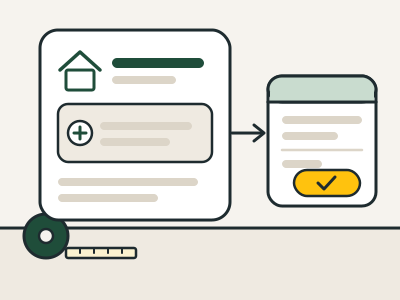
- Quote packs that take a week to leave the office.
- Variations agreed on site and invoiced late.
- Subcontractors and customers asking where things are up to.
- Progress claims waiting on photos and notes.
How Strategy, Build and Training fit a building business
- Strategy. We map how quote packs, variations, site updates and progress claims move between the site and the office.
- Build. Often: a quote draft from site notes and photos, for you to check; variations and extras captured against the job, then drafted into an invoice line you approve; a simple status the office can see, so "where is this up to?" doesn't mean ringing the site.
- Training. In-person workshops for the office, and for whoever updates a job from the site, on capturing extras and approving drafts.
Before and after
Illustrative example, not a client result
The variation is in a text thread. The progress claim waits until Friday night. The customer has already asked twice.
The extra is on the job record. A draft claim or invoice line is waiting for you. The office can see the status without calling the site.
Window tinting
A lot of the work is mobile and quoted from photos. It's easy to lose if the follow-up waits until the next quiet afternoon.

Where does the week go?
- Photo quotes arriving by message and email.
- Follow-ups that slip once the van is out.
- Film type, building or vehicle notes not reaching the installer.
- Invoices done in a batch at the end of the week.
How Strategy, Build and Training fit a window tinting business
- Strategy. We map how photo quotes, follow-ups, film and vehicle notes, and invoices move, and where they stall once the van is out.
- Build. Often: photos and enquiries in one list, with a quote draft for you to check; follow-ups on quiet quotes, drafted for you, so quotes go out while the customer's still keen; a booked job with the right notes on the installer's phone, and an invoice draft when it's marked done.
- Training. In-person workshops for the office and the installer on using that list and approving a draft, or, if you haven't built with us, on getting more from the tools you already have.
Before and after
Illustrative example, not a client result
A set of photos sits in the messages. The quote goes out two days later. The follow-up is remembered when they've already rung someone else.
The quote draft is waiting the same day. A follow-up is drafted if they haven't replied. The job notes travel with the booking.
Landscaping
Quotes often come from a site visit, jobs run over more than one day, and the weather moves the calendar.
Where does the week go?
- Site-visit notes that never become a quote.
- Multi-day jobs where the next visit lives only in someone's head.
- Materials lists retold to the crew each morning.
- Invoices waiting until the last load has left.
How Strategy, Build and Training fit a landscaping business
- Strategy. We map how site-visit notes, multi-day jobs, materials lists and invoices move, including the next visit that lives only in someone's head.
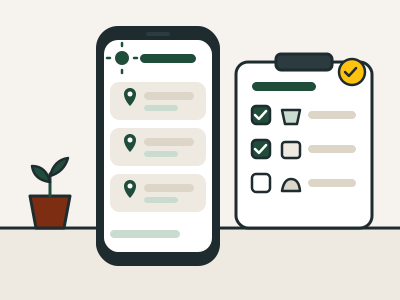
- Build. Often: a quote draft from the visit notes and photos; the next day's work and materials on the crew's phone; an invoice draft when the job, or an agreed stage, is marked complete.
- Training. In-person workshops for the office and the crew on capturing visit notes and the materials list, and on approving drafts.
Before and after
Illustrative example, not a client result
The quote is still in the notebook from Saturday's visit. Monday's crew is waiting on a plant list. The invoice waits until the end of the job, even though a stage was already agreed.
The quote draft is waiting for you. The crew already has the list. A stage invoice can be drafted when you mark that stage done.
Other field service, including cleaning
If your work follows the pattern of enquiry, quote, booked job, someone on site, then invoice, the same hub applies. That includes cleaning, maintenance and other field service. You don't need a different product. You need the job to move without anyone chasing it.
Where does the week go?
- Enquiries from the phone, the website and email in different places.
- Recurring visits that should already be booked.
- The person in the field missing a gate code or a site note.
- Payment arriving days after the work.
How Strategy, Build and Training fit a field service business
- Strategy. We map the path from enquiry to booked visit to invoice, including recurring work and site notes that live in old messages.
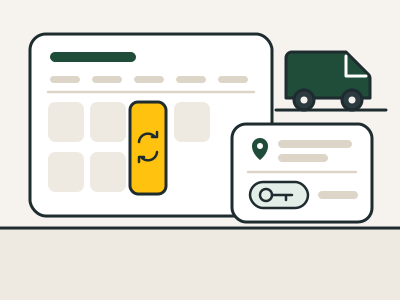
- Build. Often the same four moves: quote drafts while the customer is still keen; bookings in one list; clean handoffs, with gate codes and site notes on the job; invoices drafted when the visit is marked done.
- Training. In-person workshops for the office and the people on site, focused on the list they will actually use.
Before and after
Illustrative example, not a client result
A regular maintenance visit is booked by memory, the gate code is in an old text, and the invoice goes out the following week.
The recurring visit is already on the list, the code and site notes are on the job, and the invoice is drafted for you to approve when the visit is marked done.
What could the first month look like?
illustrative, example only
- Week 1:Missed-call and quote backlog, listed.
- Week 2:Quote drafts from call notes, waiting on you.
- Week 3:The crew sees the day's jobs, with notes.
- Week 4:Invoices drafted when the work is done.
Example only. Your first month depends on your tools and what we find in the audit. A person approves every action.
One journey, starting with a conversation.
It starts with a conversation: a phone call, or we come out and meet you in person. From there, you can take one of these services, or more than one, in the order that suits you.
- 1
A conversation comes first
 2
Strategy.
A Systems Audit and a Blueprint. We get a full picture of your digital layer and where the hours are going. Nothing is built at this stage. You keep the Blueprint either way, and you can implement it yourself or ask us to build it. You also get a fixed-price quote for a Build, if you want one.
 3
Build, if you want us to do it.
A custom system, typically over 4 to 8 weeks: an intelligence layer that knows the business, data analysis, and automations tailored to how you already work. It sits alongside the tools you use now. You own it. Your team gets training at handover, and the work is covered by a 30-day warranty. After that, you can take optional month-to-month improvement, or run it yourselves.
 4
Training, whenever you need it.
Fixed-scope, in-person workshops for your team. These can come before Strategy, after a Build, or on their own.
We take on two client builds a month, at most.
A person still approves every action that goes to a customer or a client, or that moves money.
Questions from trades
Does the system set my price or sign off the work?
No. It doesn't inspect a site, set your price, or sign off safety work. A person does. It drafts the quote, the booking and the invoice, and you check them before anything goes out.
Who approves what goes to a customer?
A person does. Nothing goes to a client, and nothing moves money, until you or your team approve it.
Do I have to change my job software?
No. It works alongside the job, email, CRM and accounting tools you already use. No rip and replace.
Who owns what you build?
You do, fully. All the intellectual property and code we build for you is yours, and it's set up on your own accounts from day one. If you stop working with us, you keep everything.
Will this replace my office staff?
No. It gives your team their time back. The typing, chasing and searching are what we take on. They stay in charge.
More questions are answered on the homepage FAQ.
Tell us what's slowing you down.
A short conversation is enough to see whether an audit would help. You keep the plan either way.
Book a discovery call (opens in a new tab)
Prefer email? hello@theruntime.co, or use the enquiry form